
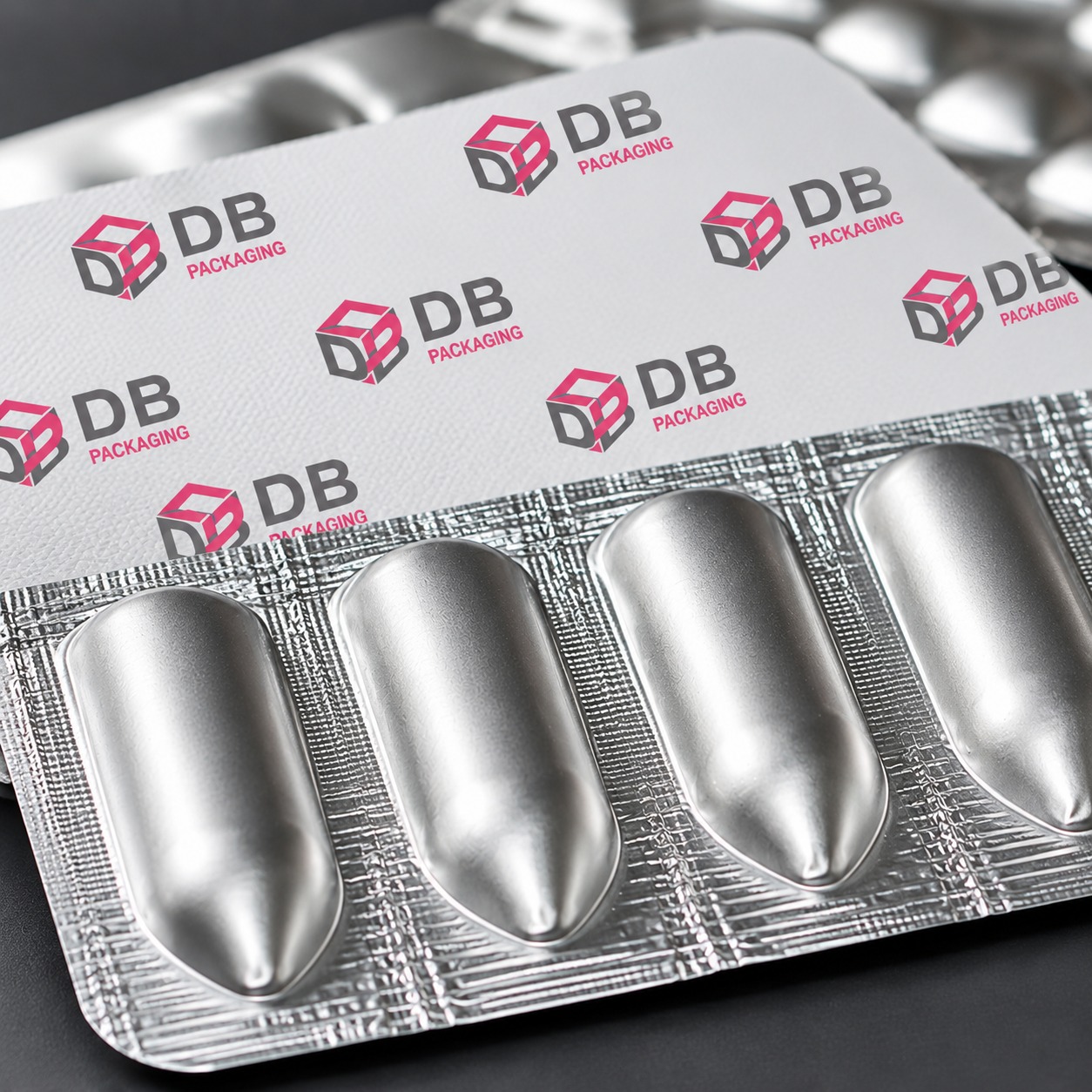
Glassine Poly Paper
PE-coated glassine for strip packs, sachets and medical pouches.
Glassine is a dense, supercalendered specialty paper with a smooth, semi-transparent surface and natural grease resistance. On its own it is valued for clean contact and printability, but pharmaceutical strip and sachet lines usually need a polymer face for heat sealing and improved moisture protection. That is why converters specify glassine poly paper: glassine laminated or extrusion-coated with polyethylene (commonly LDPE).
In pharma use, the structure is widely applied for tablet and capsule strip packs, unit-dose powder sachets, and light medical pouches where a paper-look pack with grease resistance and machine-friendly sealing is preferred. Printed or plain reels are supplied to suit automatic form-fill-seal and strip-packing equipment.
Base glassine GSM, PE coat weight (or micron), coat side (single or double) and reel width are selected against product fill, seal strength need and line speed. Final construction is confirmed as per the agreed contract with the customer.
- Smooth glassine face with inherent grease resistance
- PE coating for heat sealing on automatic packing machines
- Improved moisture protection versus uncoated glassine
- Available printed or plain in converter reel formats
- Clean, professional pack appearance for pharma and OTC lines
DB Packaging parameters & tolerances.
General product specification. Final values are confirmed against the customer contract and batch documentation.
DB Packaging supplies glassine poly paper for pharmaceutical and related medical packaging. The material combines dense glassine paper with a polyethylene coating to deliver grease resistance, improved moisture protection and heat-seal performance on automatic strip and sachet lines. Final product specifications are made as per the agreed contract with the customer.
Base: pharmaceutical-converting grade glassine paper, typically in the 40 to 60 gsm range. Coating: polyethylene (often LDPE) applied one side or both sides, commonly in the 15 to 35 gsm band depending on seal and barrier need. Exact GSM, coat side and printability are confirmed per order.
Glassine is made from highly refined fibres and finished by supercalendering, which creates a dense, glossy, semi-transparent sheet. That density contributes to oil and grease resistance and a clean feel suited to pharma contact packaging when properly specified and coated.
Uncoated glassine alone is not usually enough for high-speed heat-seal strip or sachet packing. A PE coat adds sealability, tear toughness in converting, and a more reliable moisture barrier for powders and solid orals packed in paper-style formats.
Common applications include pharmaceutical tablet strip packs, unit sachets for powders or granules, and selected medical pouches or wrappers. Print can carry brand, dosage and regulatory text when artwork is approved for the chosen structure.
Layer Construction & Function
| Layer | Typical Thickness | Function |
|---|---|---|
| Glassine paper | Typically 40 to 60 gsm | Dense, smooth substrate with grease resistance, printability and a clean pack appearance. |
| Polyethylene coating | Typically 15 to 35 gsm | Provides heat sealability, added moisture protection and durability on automatic packing machines. |
A frequently referenced converting build is glassine around 40 to 41 gsm with a PE coat in the mid-teens to mid-thirties gsm range. Double-side PE is selected when both faces need seal or barrier performance.
Process Notes
- Supplied in reel form for strip-packing and sachet / form-fill-seal equipment.
- Seal jaw temperature, pressure and dwell must match the PE coat weight and machine type.
- Keep reels protected from moisture and edge damage before converting.
- For printed jobs, ink and varnish systems should be qualified for the glassine or coat face specified.
- Barrier expectations should follow the filled product and market conditions; glassine poly is not a substitute for high-barrier foil laminates where absolute aluminium barrier is required.
Typical Construction Options
| Glassine Base | PE Coat (indicative) | Typical Use |
|---|---|---|
| 40 to 41 gsm | About 15 to 35 gsm PE | Common strip & sachet converting builds |
| 50 gsm | PE as specified | Heavier paper feel · selected pouches |
| 60 gsm | PE as specified (e.g. ~20 µm class) | Sturdier packs · medicine wrappers |
Key Performance Values
Configuration
Glassine poly paper is supplied in converter reels. Width, OD, core and print status are matched to the customer packing line.
| Product form | Glassine / PE coated paper reels for strip and sachet packaging. |
| Base GSM options | Commonly 40 to 60 gsm glassine. Other basis weights against agreed specification. |
| PE coat options | Typically 15 to 35 gsm, single or double side, as specified. |
| Plain or printed to customer-approved text, layout and shade. | |
| Core | Material options: (a) Plastic (b) Cardboard. Core ID typically 76 mm. Core length equals web width. |
| Reel / Web Width | Cut to machine width requirements agreed at order stage (narrow strip widths through wider sachet webs). |
| Identification | Each reel identified with specification, net weight, operator reference and date of manufacture as applicable. |
| Packing | Reels packed to protect paper face, coating and print in transit. Outer markings as per shipment documentation. |
| Quality release | Supplies accompanied by test documentation covering observed values of agreed parameters for the batch. |
Recommended Operating Conditions
- SealingHeat seal on PE face · set-points per coat weight & machine
- Machine fitStrip packers · sachet / FFS lines
- HandlingStore dry · protect edges and print face
Related products
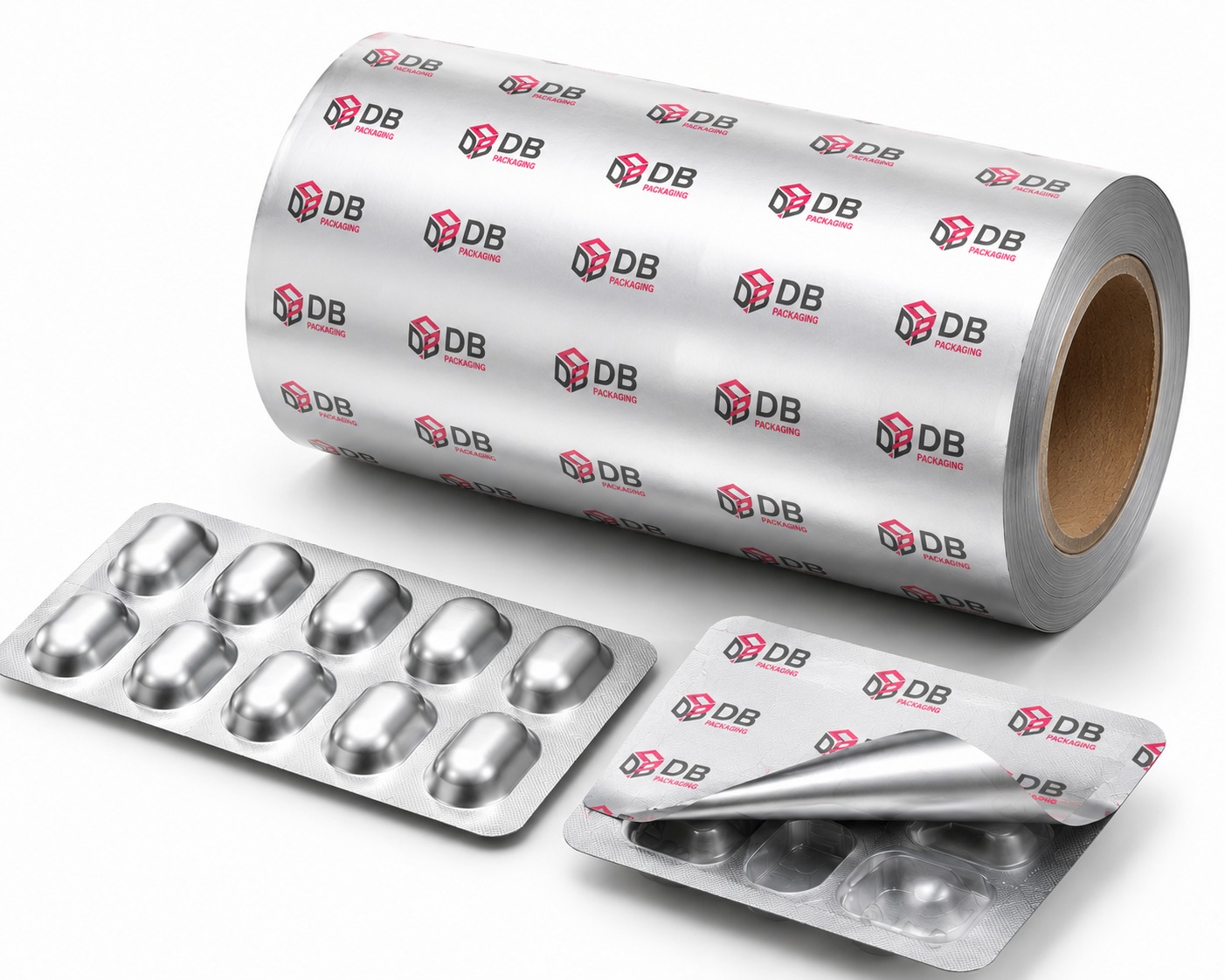
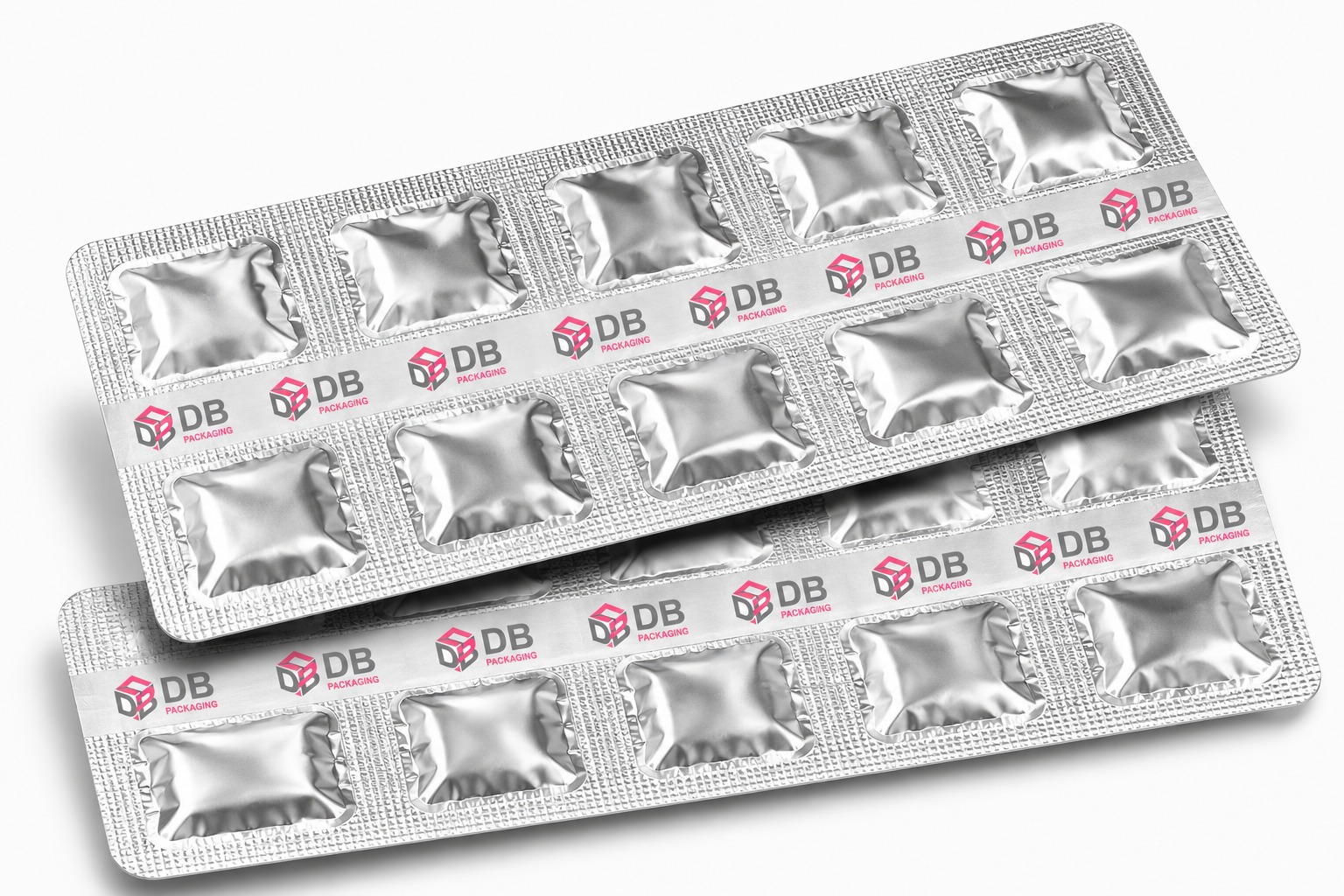
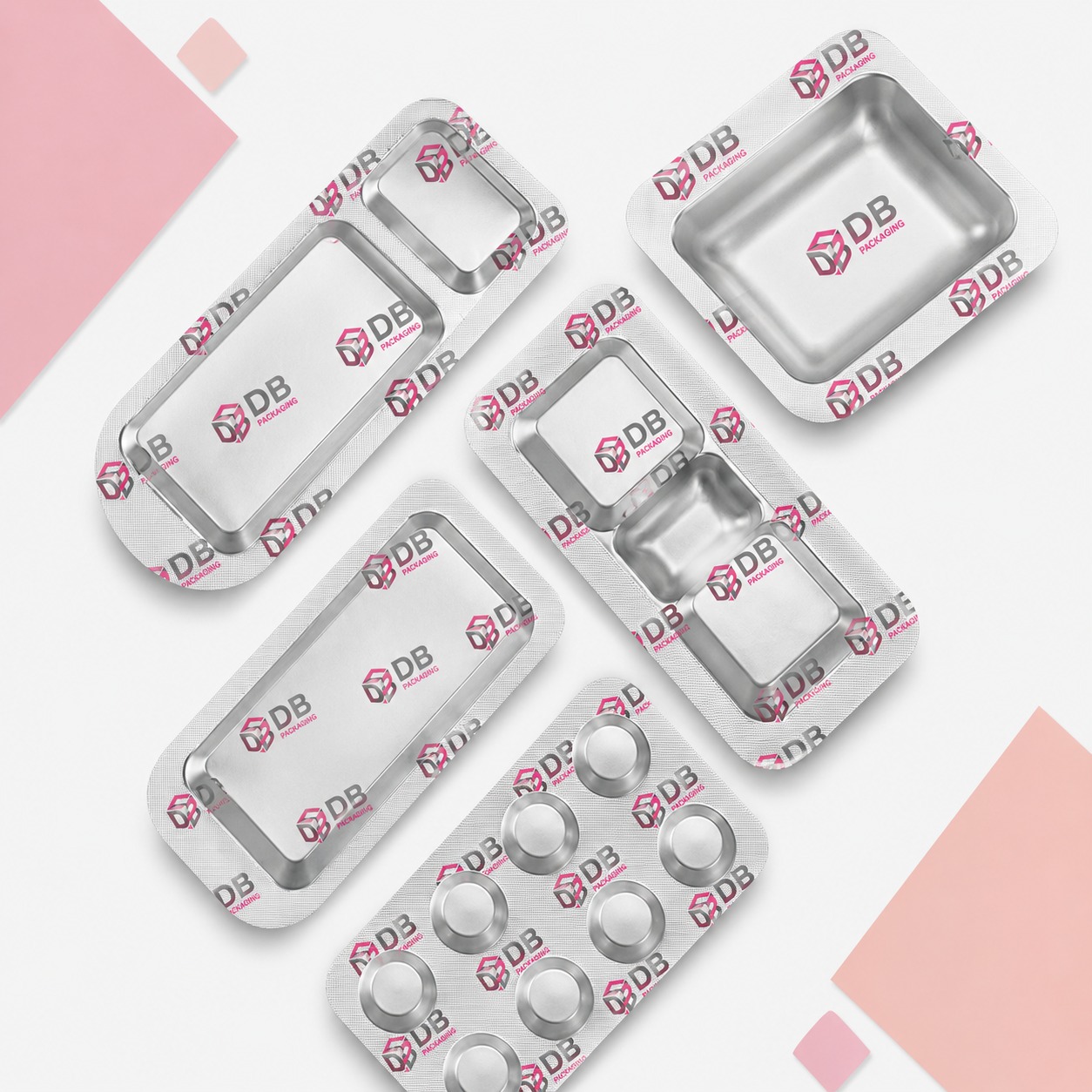
Specify your glassine poly paper requirement.
Annual volumes, target markets and barrier requirements. Our team will respond within 16 business hours.